
 comparison
Chiropractic vs Regenerative Medicine Efficacy Guide
Table of Contents
- Chiropractic vs Regenerative Medicine: How They Differ
- Chiropractic Care Effectiveness for Chronic Joint Pain
- PRP Therapy Effectiveness for Joint Pain
- Stem Cell Therapy Evidence for Joint Pain
- PRP Treatment Recovery Time: What to Expect
- Comparing Efficacy: What the Evidence Says
- Conclusion: Choosing the Right Path in Lady Lake
- Frequently Asked Questions
Last Updated: October 14, 2026
Chiropractic vs Regenerative Medicine: How They Differ
Chiropractic vs regenerative medicine efficacy comes down to a simple split: chiropractic care works on joint mechanics and nerve function, while regenerative medicine aims to repair damaged tissue itself. At Alpha Total Health in Lady Lake, FL, we have spent more than 29 years helping active retirees understand where each approach fits. Most patients arrive assuming they must pick one. That framing is wrong.
Chiropractic care is a hands-on, non-surgical discipline that adjusts the spine and joints to restore normal motion and reduce nerve irritation. Regenerative medicine is a branch of treatment that uses biologic materials, such as platelet-rich plasma or stem cell preparations, to encourage the body's own repair processes in damaged tendons, ligaments, and cartilage.
The two mechanisms are not competitors. They address different layers of the same problem, which is why the honest answer to "which works better" depends on what is actually damaged.
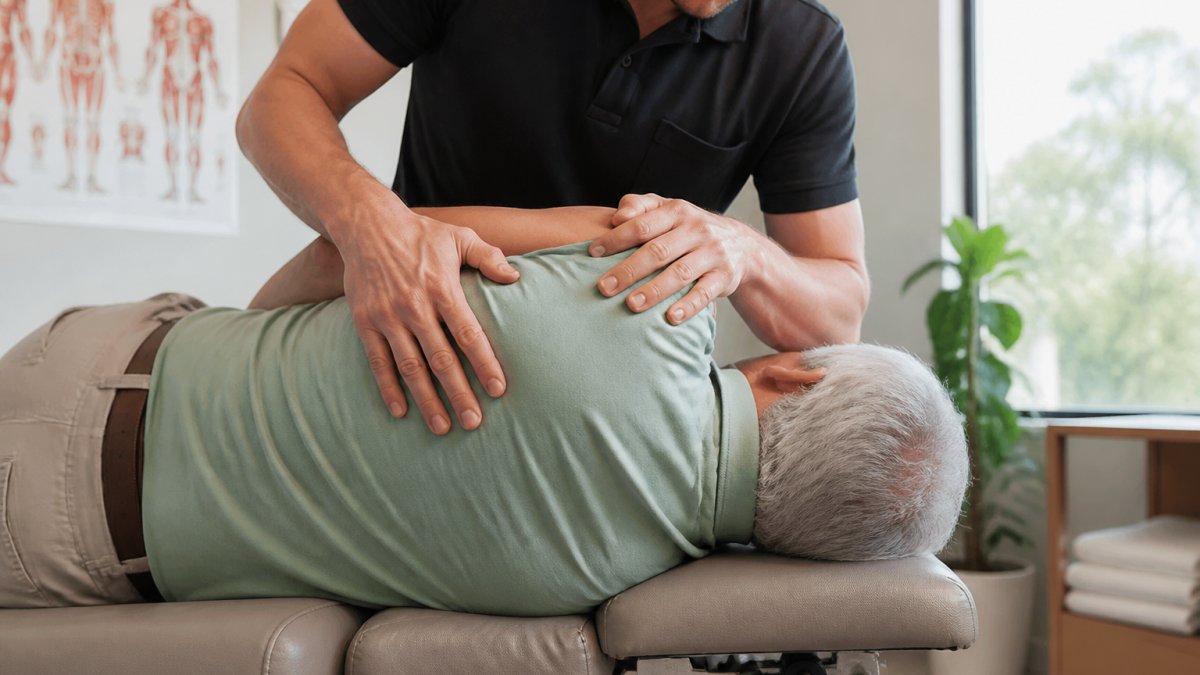
Chiropractic Care Effectiveness for Chronic Joint Pain
Chiropractic care effectiveness for chronic joint pain is strongest for mechanical problems: joints that are stiff, misaligned, or surrounded by tight muscles. A 2026 review from the American College of Physicians low back pain guideline continues to list spinal manipulation among recommended first-line options for low back pain, ahead of medication.
Where it shines:
- Restricted range of motion in the spine, hips, or shoulders
- Pain that changes with posture or activity
- Nerve irritation from joint dysfunction
Where it falls short: if cartilage is worn away or a tendon is torn, an adjustment cannot rebuild that tissue. It can reduce pain and improve function, but it will not reverse degeneration.
PRP Therapy Effectiveness for Joint Pain
PRP therapy effectiveness for joint pain depends heavily on which joint and what is injured. PRP, or platelet-rich plasma, is a concentration of the patient's own blood plasma, which contains growth factors that may support tissue repair. It is injected directly into the injured area.
Evidence is mixed and site-specific. PRP tends to show the most consistent benefit for tendon injuries, such as elbow tendinopathy, and more modest or inconsistent results for advanced knee arthritis. It is not a guaranteed fix, and it is not a replacement for addressing how the joint moves.
That is where combining approaches matters. When we pair regenerative injections with chiropractic care at Alpha Total Health, the goal is to give damaged tissue a healing stimulus while restoring the mechanics that caused the strain in the first place.
Stem Cell Therapy Evidence for Joint Pain
Stem cell therapy evidence for joint pain is the least settled of the three approaches discussed here. Most clinical use involves mesenchymal stem cells, often derived from bone marrow or fat tissue, injected to reduce inflammation and support cartilage.
What the evidence supports today:
- Promising early results for knee osteoarthritis in smaller studies
- Reduced pain scores reported in some trials
- No reliable evidence that it regrows full cartilage thickness
What it does not support: claims of a permanent cure or a guaranteed alternative to joint replacement. For a 67-year-old with years of back pain, the honest answer is that stem cell therapy may reduce pain and improve function, but outcomes vary widely and it works best as part of a broader plan.
FDA information on regenerative medicine therapies notes that many of these products are not FDA-approved, so patients should ask exactly what is being injected and where it came from.
PRP Treatment Recovery Time: What to Expect
PRP treatment recovery time is short compared with surgery, but it is not zero. Most patients return to desk-level activity within a day or two and resume light exercise in about a week. Full benefit typically develops over several weeks as the tissue responds.
| Phase | Typical Timeframe | What to Expect |
|---|---|---|
| First 24-48 hours | Day 0-2 | Soreness at the injection site, rest recommended |
| Early recovery | Day 3-7 | Light daily activity, avoid heavy loading |
| Return to exercise | Week 1-2 | Gradual reintroduction of movement |
| Peak response | Week 4-8 | Noticeable change in pain and function |
Timelines vary by joint, activity level, and how many injections are needed. We tell patients to plan around the recovery window rather than push through it.
Comparing Efficacy: What the Evidence Says
Comparing efficacy across chiropractic care and regenerative medicine is not a clean head-to-head, because they are not tested against each other for the same endpoint. Chiropractic has the longer and larger evidence base for mechanical and low back pain. PRP has moderate evidence for tendon conditions. Stem cell therapy has the thinnest evidence and the widest variation in results.
| Approach | Best Evidence For | Typical Onset | Best For |
|---|---|---|---|
| Chiropractic | Low back pain, joint restriction | Immediate to days | Mechanical pain, mobility loss |
| PRP | Tendon injuries, some joint pain | Weeks | Soft tissue damage |
| Stem cell therapy | Knee osteoarthritis (early data) | Weeks to months | Selected degenerative cases |
The practical takeaway: match the treatment to the tissue. Mechanical problems respond to mechanical care. Damaged tissue needs a repair stimulus. Many patients need both.
Conclusion: Choosing the Right Path in Lady Lake
The real question is not which approach wins, but which one fits your joint. If your pain comes from how a joint moves, chiropractic care is the logical start. If tissue is torn or worn, regenerative options deserve a serious look. For many patients in Lady Lake and The Villages, the answer is a plan that uses both.
At Alpha Total Health, we build that plan around your goals, whether that is swinging a golf club without wincing or getting back to pickleball. Our founder-led approach draws on more than 29 years of clinical experience, and we offer a New Patient Consultation Package to map out your options before committing to anything. We do not take x-rays here, but we will refer you out for imaging when it is needed to see what is really going on.
If you have tried chiropractic before and felt it did not last, or you are unsure whether regenerative therapy is right for your age and condition, start with a conversation.
Chronic joint pain rarely has a single fix, and guessing at the right path can cost you months of limited activity. Alpha Total Health combines founder-led chiropractic care, advanced regenerative therapies, and more than 29 years of clinical experience to build a plan that matches your joint, your goals, and your budget. Begin with our New Patient Consultation Package, and we will walk you through every option before you decide. Get started with Alpha Total Health and take the first step back toward the activities you love.
Frequently Asked Questions
What is the difference between chiropractic care and regenerative medicine?
Chiropractic care focuses on spinal alignment and musculoskeletal function through manual adjustments, while regenerative medicine uses injections like PRP or stem cells to promote tissue healing. Chiropractic addresses biomechanics; regenerative medicine targets cellular repair. They can be complementary, with chiropractic improving joint mechanics and regenerative therapies addressing underlying tissue damage.
Is chiropractic care more effective than regenerative medicine?
They serve different purposes. Chiropractic care effectiveness is well-documented for acute low back pain and mobility issues, often providing relief within weeks. Regenerative medicine, such as PRP therapy, may offer longer-lasting relief for osteoarthritis by addressing tissue degeneration. The choice depends on your condition, goals, and whether you seek symptom relief or tissue repair.
What does the evidence say about PRP for joint pain?
Studies show PRP therapy effectiveness for joint pain varies by condition. For knee osteoarthritis, some trials report significant pain reduction and improved function compared to placebo, while others show modest benefits. PRP treatment recovery time is relatively short, with most patients returning to light activities within a few days. Evidence is strongest for mild to moderate osteoarthritis.
How long does it take to see results from regenerative therapies?
Results from regenerative therapies like PRP or stem cell injections typically emerge gradually over 4 to 12 weeks as the body heals. Some patients notice improvement within two weeks, but full effects often take several months. PRP treatment recovery time involves initial rest, then progressive return to activity. Individual results vary based on age, condition severity, and overall health.
Can chiropractic care and regenerative medicine be used together?
Yes, many providers combine both approaches. Chiropractic adjustments can improve joint alignment and reduce stress on injured tissues, while regenerative injections promote healing. This integrated approach may enhance outcomes for conditions like osteoarthritis. A qualified professional can determine if combining therapies is appropriate for your situation.