 ultimate-guide
Safe Regenerative Medicine for Seniors Over 65
Table of Contents
- What Is Regenerative Medicine?
- Regenerative Medicine Options for Seniors Over 65
- Safety Considerations for Seniors in Regenerative Medicine
- FDA Regulation of Regenerative Medicine
- Cost of PRP Treatment and What to Expect
- Regenerative Medicine Recovery Time and Timeline
- Finding a Qualified Regenerative Medicine Specialist
- Benefits and Realistic Outcomes for Seniors
- Frequently Asked Questions
Last Updated: September 30, 2026
What Is Regenerative Medicine?
Regenerative medicine is a medical approach that uses the body's own healing mechanisms to repair, restore, or replace damaged tissues and joints. Rather than masking pain with medications or resorting to surgery, regenerative treatments stimulate the body's natural repair processes to address the underlying cause of pain and dysfunction.
For seniors over 65 dealing with chronic joint pain, arthritis, or soft tissue injuries, safe regenerative medicine for seniors over 65 offers a compelling alternative to traditional approaches. These therapies work by harnessing biological materials, such as platelets, growth factors, or stem cells, to accelerate healing in damaged areas. The goal is not just temporary relief, but genuine tissue regeneration that can restore function and mobility.
At Alpha Total Health in Lady Lake, we've worked with many active retirees seeking non-surgical solutions to stay active without chronic pain holding them back. Whether you're a golfer concerned about hip pain limiting your swing, or someone struggling with degenerative joint conditions, understanding what regenerative medicine can and cannot do is the first step toward making an informed decision about your care.
Regenerative Medicine Options for Seniors Over 65
Seniors have several regenerative medicine options available, each with different mechanisms, recovery profiles, and suitability depending on the specific condition being treated.
Platelet-Rich Plasma (PRP) Therapy
Platelet-Rich Plasma therapy involves drawing a small amount of your own blood, processing it to concentrate the platelets and growth factors, and then injecting this concentrated solution directly into the damaged joint or tissue. The platelets release healing compounds that reduce inflammation and stimulate tissue repair.
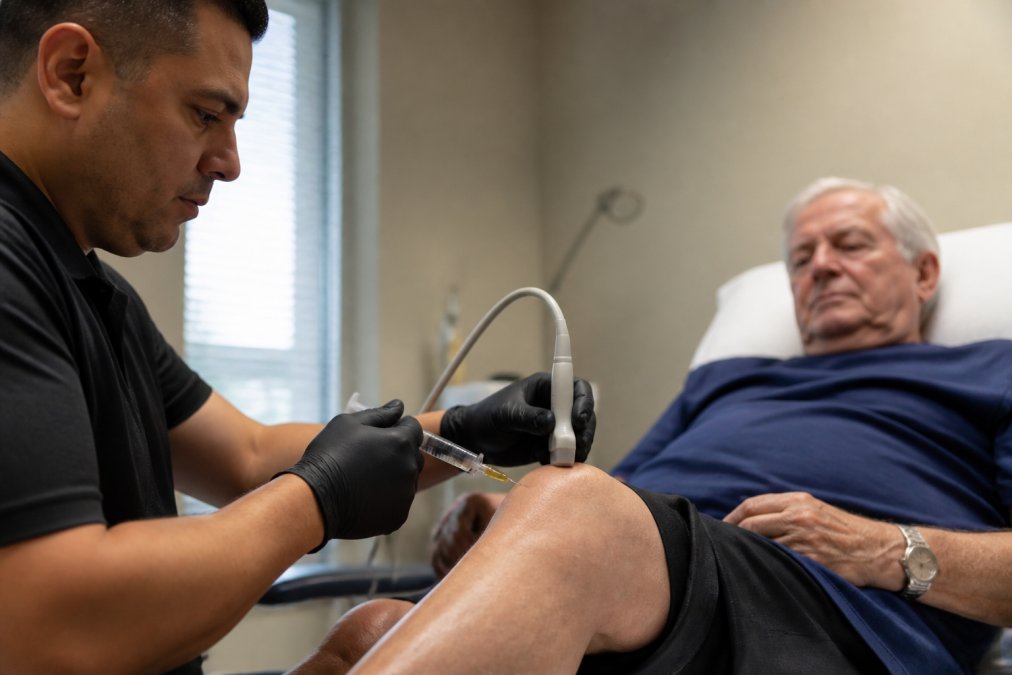
PRP is particularly popular among seniors because it uses your own biological material, minimizing rejection risk. The procedure typically takes 30-45 minutes, and many patients report reduced pain within weeks. For seniors with arthritis in the knee, shoulder, or hip, PRP offers a middle ground between conservative treatment and surgical intervention.
A common question from seniors in the Lady Lake area is whether PRP works for long-standing arthritis. The honest answer is that results vary. Early-stage degenerative joint disease often responds better than advanced cases. The procedure is most effective when combined with physical therapy and activity modification, it's not a standalone fix.
Stem Cell Therapy
Stem cell therapy uses cells with the capacity to develop into many different cell types in the body. These cells can differentiate into cartilage, bone, muscle, or other tissues, making them valuable for repairing degenerative conditions.
There are different sources of stem cells: bone marrow, adipose tissue (fat), and umbilical cord tissue. Bone marrow and fat-derived stem cells are harvested from your own body, while some clinics use donated umbilical cord tissue. The choice depends on your condition, your age, and the practitioner's recommendation.
For seniors over 65, stem cell therapy can address more advanced degenerative conditions than PRP alone. However, it's also more involved, harvesting bone marrow or fat requires a minor procedure. Recovery is typically longer, and the cost is higher than PRP. The procedure is still considered experimental for many conditions, which affects insurance coverage and regulatory status.
Prolotherapy and Other Injectable Treatments
Prolotherapy involves injecting a mild irritant solution (often dextrose) into ligaments, tendons, or joint capsules. The irritant triggers a mild inflammatory response that stimulates the body's natural healing cascade. It's less invasive than stem cell therapy but may require multiple sessions over weeks or months.
Other injectable treatments include platelet lysate, autologous conditioned serum, and various growth factor preparations. These sit somewhere between PRP and stem cell therapy in terms of invasiveness and cost. Many seniors respond well to these options, particularly for chronic tendon or ligament injuries that haven't improved with conservative care.
Safety Considerations for Seniors in Regenerative Medicine
Safety in safe regenerative medicine for seniors over 65 depends on choosing a qualified practitioner, understanding the specific procedure, and having realistic expectations about outcomes.
The most common side effects are mild and temporary: soreness at the injection site, mild swelling, or temporary increased pain as the healing response activates (Complications of Stem Cell-Based Injections for Knee Osteoarthritis: A Systematic Review). These typically resolve within days to a few weeks. Serious complications, infection, nerve damage, or allergic reaction, are rare when performed by experienced practitioners in a sterile clinical environment.
For seniors with multiple health conditions, certain medications (particularly blood thinners) may need adjustment before treatment. Diabetes, compromised immune systems, or active infections can affect healing and should be discussed with your practitioner before proceeding. This is why a thorough consultation and medical history review is essential.
The biggest safety risk isn't the procedure itself, it's choosing an unqualified practitioner or having unrealistic expectations about what regenerative medicine can achieve. Not every condition responds to these treatments, and not every practitioner has adequate training in proper injection technique and sterile procedure.
FDA Regulation of Regenerative Medicine
The FDA regulates regenerative medicine products, but the regulatory landscape is complex and evolving. Platelet-Rich Plasma prepared from your own blood in-office using FDA-cleared devices is generally considered a practice of medicine rather than a regulated drug, giving practitioners more flexibility in how they use it.
Stem cell therapies face stricter oversight. The FDA distinguishes between autologous (your own) cell therapies and allogeneic (donor) cell therapies. Most autologous stem cell treatments used clinically today operate in a regulatory gray area, they're not formally approved by the FDA, but the agency has issued guidance allowing certain clinics to use them under specific conditions.
For seniors considering regenerative medicine in Lady Lake, the key point is this: verify that your practitioner is using FDA-cleared equipment and following current FDA guidance. Legitimate clinics are transparent about regulatory status and don't make claims that sound too good to be true. If a clinic promises guaranteed results or claims FDA approval for treatments that aren't formally approved, that's a red flag.
Cost of PRP Treatment and What to Expect
The cost of regenerative medicine varies widely depending on the specific treatment, the number of injections needed, and the practitioner's experience level. Rather than stating a specific price range that may be inaccurate, we recommend contacting Alpha Total Health directly or consulting with your chosen practitioner for current pricing and what's included in the treatment package.
Insurance coverage for regenerative medicine is inconsistent. Many insurance plans consider these treatments experimental or elective and don't cover them.
Regenerative Medicine Recovery Time and Timeline
Recovery time depends on which regenerative treatment you choose and how your body responds.
Finding a Qualified Regenerative Medicine Specialist
Not all practitioners offering regenerative medicine have equivalent training or experience. A qualified specialist should have credentials in a relevant field, orthopedic medicine, sports medicine, or interventional pain management, plus additional training in regenerative techniques.
Benefits and Realistic Outcomes for Seniors
When regenerative medicine works, the benefits can be significant: reduced pain, improved mobility, better quality of life, and the ability to return to activities you enjoy without constant discomfort. For some seniors, these treatments have delayed or eliminated the need for surgery.
The most commonly reported benefits include:
- Pain reduction that lasts months or longer, without daily medication
- Improved joint function and range of motion
- Reduced inflammation in the treated area
- Delayed progression of degenerative conditions
- Return to preferred activities like golf, gardening, or exercise
Frequently Asked Questions
Is regenerative medicine covered by Medicare?
Medicare coverage for regenerative medicine varies by treatment type and medical necessity. Many regenerative therapies, including PRP and stem cell treatments, are still considered experimental by Medicare and are typically not covered. However, some insurance plans may cover specific procedures if deemed medically necessary. Contact your insurance provider directly to understand your coverage, and discuss payment options during your consultation with a qualified regenerative medicine specialist.
What are the main risks of regenerative medicine for seniors over 65?
Risks vary by treatment type but may include infection at the injection site, allergic reactions, temporary pain or swelling, and the possibility that the treatment may not provide the expected relief. Seniors with certain medical conditions or those taking blood thinners should discuss these with their healthcare provider beforehand. Choosing a qualified practitioner and following post-treatment care instructions significantly reduces risk. A thorough consultation can identify any individual risk factors specific to your health history.
How long does recovery take after regenerative medicine treatment?
Recovery timelines depend on the specific regenerative medicine treatment and the condition being treated. Most patients can return to light activities within a few days, though complete recovery may take several weeks to months. PRP therapy typically shows gradual improvement over 4-6 weeks, while stem cell treatments may require a longer timeline. Your healthcare provider will give you specific post-treatment instructions and activity restrictions tailored to your procedure. Patience and adherence to recovery guidelines are essential for optimal results.
How do I find a qualified regenerative medicine specialist in my area?
Look for practitioners with proper medical credentials, specialized training in regenerative medicine, and experience treating seniors. Board certification in relevant specialties such as orthopedic medicine, sports medicine, or physical medicine and rehabilitation is a good indicator of qualification. Ask about their years of clinical experience and specific training in regenerative therapies. Consultations allow you to assess their approach and whether they address your concerns. A founder-led practice with decades of clinical experience often signals a commitment to patient care and treatment quality.
Can regenerative medicine help with conditions like arthritis and neuropathy?
Regenerative medicine has shown promise in addressing joint pain from osteoarthritis, soft tissue injuries, and some neuropathy symptoms by promoting the body's natural healing processes. However, results vary by individual and condition severity. Regenerative therapies work best when combined with a comprehensive treatment plan that may include physical therapy, lifestyle modifications, and other supportive care. A qualified specialist can evaluate your specific condition and discuss realistic expectations during a consultation.
What makes founder-led regenerative medicine care different?
Founder-led practices often reflect the practitioner's personal commitment to patient outcomes and treatment quality. With decades of clinical experience, a founder typically brings refined expertise, established protocols, and a vested interest in maintaining the practice's reputation. This model often means more direct oversight of patient care and a philosophy centered on lasting results rather than quick fixes. A New Patient Consultation Package can help you evaluate whether this approach aligns with your health goals and expectations.