
 listicle
Alternatives to Joint Replacement Surgery
Table of Contents
- Why People Seek Alternatives to Joint Replacement Surgery
- Nonsurgical Treatment for Knee Arthritis and Other Joints
- Physical Therapy for Arthritis Pain
- Joint Injections for Arthritis
- Regenerative Medicine for Joint Pain
- Lifestyle and Activity Modifications
- How to Choose the Right Alternative for Your Situation
- Frequently Asked Questions
Last Updated: October 12, 2026
Why People Seek Alternatives to Joint Replacement Surgery
Joint replacement surgery is a significant decision that many people in Lady Lake and beyond consider when arthritis or injury limits their mobility. However, surgery isn't always the first or only option worth exploring. Many active retirees, golfers, and people managing chronic joint pain want to exhaust alternatives before going under the knife. The good news: effective alternatives to joint replacement exist, and they often work better than people expect.
At Alpha Total Health, we've worked with residents throughout Lady Lake who initially thought surgery was inevitable. What we've found is that a structured approach to nonsurgical care, combining physical therapy, targeted injections, regenerative treatments, and lifestyle modifications, can restore function and reduce pain significantly. The key is understanding your options and matching them to your specific situation.
This guide breaks down the most effective alternatives to joint replacement surgery, so you can make an informed decision about your care. Whether you're a golfer concerned about your swing, someone managing neuropathy, or simply looking to stay active without surgery, there's likely a path forward that doesn't require the operating room.
Nonsurgical Treatment for Knee Arthritis and Other Joints
Nonsurgical treatment for knee arthritis and other joint conditions focuses on reducing inflammation, strengthening surrounding muscles, and improving joint mechanics, without surgical intervention. These approaches address the root causes of pain rather than replacing the joint entirely.
How nonsurgical approaches work
Nonsurgical treatments work by addressing inflammation, improving joint stability, and restoring function through targeted interventions. When cartilage wears down or joints become inflamed, the body's natural healing response can be enhanced through specific therapies.
Physical therapy strengthens the muscles that support the joint, reducing stress on damaged cartilage. Injections deliver medication or regenerative cells directly to the problem area. Lifestyle modifications, like adjusting how you move, managing weight, and choosing low-impact activities, reduce daily stress on the joint. Together, these approaches often halt progression and restore meaningful function.
The timeline varies. Some people see improvement within weeks; others need months of consistent effort. The difference often comes down to compliance and choosing the right combination of treatments for your specific condition.
Physical Therapy for Arthritis Pain
Physical therapy for arthritis pain is one of the most evidence-backed alternatives to surgery. It addresses the mechanical and muscular contributors to joint pain, not just the symptoms.
A skilled physical therapist assesses how you move, identifies muscle imbalances and weakness, and designs exercises that restore function. For knee arthritis, this might mean strengthening the quadriceps and hip muscles to reduce stress on the knee joint. For shoulder arthritis, it could involve improving scapular stability and rotator cuff strength. For back pain, core strengthening and mobility work often make a dramatic difference.
The exercises aren't random stretching. They're specific, progressive movements designed to rebuild strength and coordination. Most people start with gentle range-of-motion work, progress to strengthening exercises, and eventually advance to functional movements that mimic activities they want to do, like golfing, pickleball, or climbing stairs without pain.
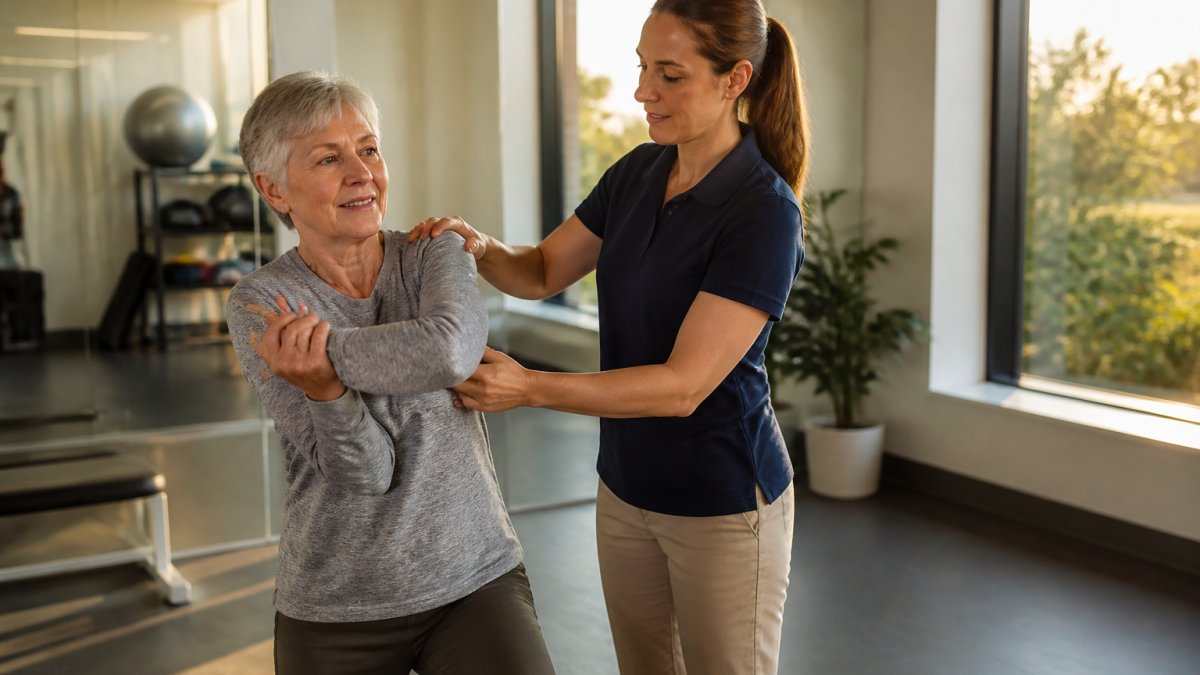
Consistency matters more than intensity. Three to four sessions per week for 6-12 weeks typically shows meaningful results. Many people in Lady Lake find that once they understand the exercises, they can maintain progress with home-based routines.
Joint Injections for Arthritis
Joint injections deliver medication or regenerative substances directly into the affected joint, bypassing systemic circulation and targeting inflammation at the source. They're minimally invasive and can provide relief lasting weeks to months.
Corticosteroid injections reduce inflammation and pain quickly. They're effective for acute flare-ups but typically provide temporary relief. Many people use them to reduce pain enough to participate in physical therapy, which then provides longer-lasting benefit.
Hyaluronic acid (viscosupplementation) lubricates the joint and may reduce inflammation. A series of injections spaced over several weeks can improve mobility and comfort, particularly for knee arthritis. Results vary, some people experience significant relief, others modest improvement.
Platelet-rich plasma (PRP) uses your own blood's healing components to reduce inflammation and potentially stimulate tissue repair. It's gaining recognition as a bridge treatment: not as dramatic as surgery, but often more durable than corticosteroids.
The choice depends on your specific diagnosis, previous responses to treatment, and your timeline for improvement. A qualified clinician in Lady Lake can help you determine which injection approach makes sense for your situation.
Regenerative Medicine for Joint Pain
Regenerative medicine for joint pain represents a newer category of alternatives that aims to stimulate the body's own healing response rather than simply masking pain or replacing structures. These treatments focus on repairing or regenerating damaged tissue.
Approaches include stem cell therapy, platelet-rich plasma, and other biologics that reduce inflammation and encourage tissue repair. The science is still evolving, but many people report sustained improvement in pain and function, sometimes for years, after regenerative treatment.
These therapies work best when combined with physical therapy and lifestyle modifications. They're not magic replacements for surgery, but they can significantly slow or halt progression of arthritis, allowing people to remain active and functional for longer.
Lifestyle and Activity Modifications
Sometimes the most powerful intervention is changing how you move and what you ask your joints to do. Lifestyle modifications reduce daily stress on damaged joints while building strength and resilience.
Low-impact activities like swimming, cycling, and walking preserve cardiovascular fitness without pounding the joint. Avoid high-impact activities like running or jumping until pain is well-controlled.
Weight management reduces load on weight-bearing joints. Even a 10-pound reduction can meaningfully decrease knee and hip pain.
Ergonomics and body mechanics matter more than most people realize. How you sit, stand, lift, and move throughout the day accumulates. Small adjustments, like using proper posture at a desk, avoiding repetitive strain, and distributing weight evenly, prevent flare-ups.
Activity pacing prevents the boom-bust cycle where you do too much on good days and suffer on bad days. Consistent, moderate activity beats sporadic intense effort.
For golfers and active retirees in Lady Lake, these modifications often mean adjusting swing mechanics, using proper equipment, and building in recovery days. The goal isn't stopping activity, it's doing it smarter.
How to Choose the Right Alternative for Your Situation
Choosing the right alternative depends on your diagnosis, pain severity, functional goals, and response to previous treatments. A systematic approach helps clarify your path forward.
| Factor | Consider | Action |
|---|---|---|
| Pain severity | Mild to moderate pain often responds well to physical therapy; severe pain may need injections first | Start with assessment from a qualified clinician |
| Timeline | Need relief in weeks vs. months | Injections work faster; therapy takes longer but builds lasting strength |
| Functional goal | Returning to golf vs. managing daily tasks | Choose treatments that address your specific limitation |
| Previous treatments | What's helped or failed before | Build on what worked; avoid repeating unsuccessful approaches |
| Commitment level | Willing to do home exercises vs. preferring passive treatment | Physical therapy requires active participation |
| Age and overall health | Younger, healthier people may tolerate more intensive therapy | Tailor intensity and progression to your capacity |
Start with a consultation that includes a thorough assessment of your joint, your movement patterns, and your goals. A clinician experienced in alternatives, like the team at Alpha Total Health, can help you sequence treatments logically: typically starting with physical therapy, adding injections if needed, and considering regenerative medicine if progression continues.
Chronic joint pain doesn't have to end your active lifestyle. The alternatives to joint replacement surgery have evolved significantly, and many people achieve lasting relief and function without surgery. At Alpha Total Health, we specialize in helping residents of Lady Lake explore these options through our founder-led chiropractic care and advanced regenerative therapies, drawing on over 29 years of clinical experience. Our New Patient Consultation Package is designed to assess your specific situation, explain your realistic options, and build a personalized treatment plan that matches your goals. Whether you're concerned about your golf game, managing neuropathy, or simply want to stay active, we're here to help you find the path that works best for you.
Frequently Asked Questions
What are the main alternatives to joint replacement surgery?
Common alternatives to joint replacement surgery include physical therapy, weight management, low-impact exercise (such as swimming or walking), joint injections (including viscosupplementation and platelet-rich plasma), regenerative medicine approaches, and lifestyle modifications. The right choice depends on your specific condition, age, activity level, and the severity of joint damage. A consultation with a qualified healthcare provider can help determine which alternatives are most suitable for your situation.
Can physical therapy for arthritis pain delay or prevent joint replacement?
Physical therapy for arthritis pain can be highly effective at reducing symptoms and improving function, potentially delaying the need for surgery. Targeted exercises strengthen muscles around the joint, improve flexibility, and reduce pain. Many people experience significant relief through consistent physical therapy without requiring surgical intervention. However, the timeline varies by individual and depends on the extent of joint damage and your commitment to the therapy program.
How do joint injections for arthritis work, and are they effective?
Joint injections for arthritis deliver medication or biological substances directly into the affected joint. Common types include viscosupplementation (which adds lubrication) and platelet-rich plasma (PRP), which uses your own blood components to reduce inflammation. These injections can provide relief lasting weeks to several months. Effectiveness varies by individual and the specific type of injection used. Multiple injections may be needed over time, and they work best as part of a comprehensive treatment plan.
Is regenerative medicine for joint pain a proven alternative to surgery?
Regenerative medicine for joint pain represents a growing field that includes approaches designed to stimulate the body's natural healing processes. These treatments aim to repair or regenerate damaged joint structures rather than replace them. While many patients report positive outcomes, the evidence base continues to evolve. Results vary depending on the specific treatment, the severity of your condition, and your overall health. Discuss with a qualified healthcare provider whether regenerative approaches are appropriate for your particular situation.
At what age are alternatives to joint replacement surgery most effective?
Alternatives to joint replacement surgery can be effective across a wide age range, from younger active adults to retirees. In fact, many older adults benefit significantly from nonsurgical options because they may face higher surgical risks or prefer to maintain their current activity level without surgery. The effectiveness depends more on the specific condition, joint damage severity, and your commitment to treatment rather than age alone. A healthcare provider can evaluate your individual circumstances to recommend the most appropriate alternatives.