 ultimate-guide
Benefits of Personalized Regenerative Treatment
Table of Contents
- What Personalized Regenerative Treatment Offers
- How Personalized Regenerative Treatment Works for Your Condition
- Who Is a Candidate for Regenerative Therapy
- Regenerative Medicine Recovery Time and What to Expect
- Regenerative Therapy Risks and Limitations You Should Know
- Key Questions to Ask About Regenerative Treatment
- Taking the Next Step With Personalized Regenerative Treatment
- Frequently Asked Questions
Last Updated: October 11, 2026
What Personalized Regenerative Treatment Offers
Personalized regenerative treatment is a medical approach designed to stimulate your body's natural healing processes to address chronic pain, tissue damage, and degenerative conditions. Unlike generic treatments that follow a one-size-fits-all protocol, personalized regenerative therapy tailors the treatment plan to your specific condition, age, medical history, and recovery goals.
The core promise of personalized regenerative treatment is straightforward: help your body repair itself rather than mask symptoms or resort to surgery. This approach uses your body's own healing mechanisms, whether through targeted injections, specific protocols, or complementary therapies, to address the root cause of your pain.
What makes this different from conventional chiropractic care alone is the depth of customization. A personalized regenerative treatment plan accounts for factors like your age, the severity of your condition, how long you've been dealing with the problem, and what activities matter most to you. For active retirees in Lady Lake and The Villages who want to keep golfing, playing pickleball, or staying mobile without constant medication, personalized regenerative treatment offers a pathway that aligns with your lifestyle goals.
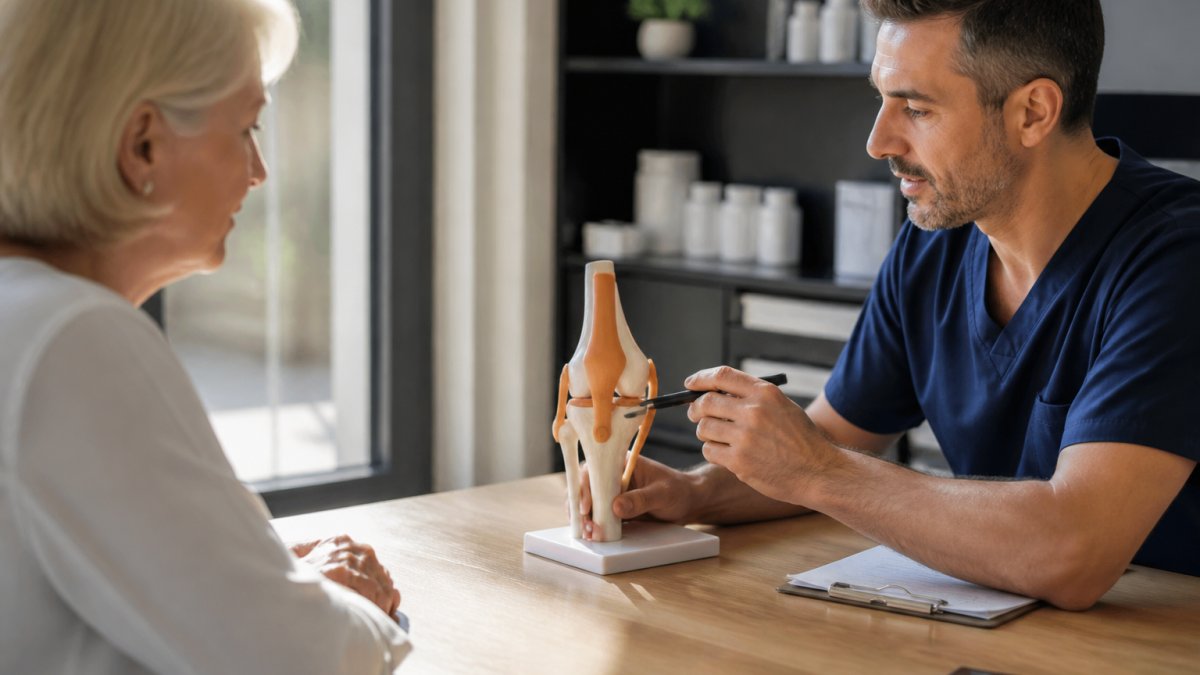
The benefits extend beyond pain relief. Many patients report improved mobility, better sleep quality, and a renewed sense of independence. Because the treatment works with your body's natural systems rather than against them, the results tend to feel sustainable rather than temporary.
How Personalized Regenerative Treatment Works for Your Condition
How personalized regenerative treatment works depends on your specific diagnosis and the type of regenerative therapy recommended for you. The process begins with a thorough evaluation of your condition, your medical history, imaging results if needed, current pain levels, and functional limitations. This assessment determines which regenerative approach makes sense for you.
Several types of personalized regenerative treatment exist, each targeting different tissue types and injury patterns. The initial consultation is where Alpha Total Health determines which approach aligns with your condition. Some patients benefit from one primary treatment, while others see better results from a combination approach that addresses multiple factors contributing to their pain.
The treatment process itself is minimally invasive. Most personalized regenerative therapies involve a targeted application designed to stimulate healing in the affected area. The procedure typically takes less than an hour, and many patients return to their regular activities within days, though the actual healing process continues for weeks and months afterward.
What makes this personalized is the follow-up protocol. Rather than a standard post-treatment routine, your recovery plan is adjusted based on your response to the initial treatment, your specific tissue type, and your functional goals. If you're a golfer in Lady Lake, the recovery protocol considers the demands of your swing. If you're managing neuropathy, the plan addresses the specific nerve involvement and your mobility objectives.
Who Is a Candidate for Regenerative Therapy
Most people dealing with chronic joint pain, degenerative conditions, or soft tissue injuries are candidates for some form of personalized regenerative treatment. The question isn't whether regenerative therapy exists for your condition, it's whether it's the right choice for your specific situation right now.
Age is not a barrier. In fact, many active retirees in Lady Lake and The Villages benefit significantly from regenerative therapies precisely because they want to maintain their lifestyle without surgery or long-term medication. Your body's ability to respond to regenerative treatment depends more on the specific tissue involved and your overall health than on your age.
Ideal candidates typically have:
- Chronic pain or degenerative conditions that haven't fully resolved with conservative care
- A clear diagnosis or understanding of what's causing the problem
- Realistic expectations about the timeline and process
- Commitment to following post-treatment protocols
- A desire to avoid surgery or reduce medication dependence
People experiencing musculoskeletal issues, soft tissue injuries, or conditions like osteoarthritis in Lady Lake often find they're good candidates. Couples seeking specialized regenerative therapies to improve intimacy and overall well-being may also benefit. Neuropathy sufferers wanting to regain mobility represent another group seeing positive results.
Conversely, certain situations may require a different approach. Recent acute injuries sometimes heal better with standard conservative care first. Some conditions require imaging or additional evaluation before regenerative treatment makes sense. The founder-led approach at Alpha Total Health means your candidacy is evaluated based on your actual condition, not on a predetermined checklist.
Regenerative Medicine Recovery Time and What to Expect
Recovery time for personalized regenerative treatment varies based on the specific therapy used, the tissue being treated, and your body's individual healing response. Most people experience initial improvement within two to four weeks, though the full healing process typically unfolds over three to six months.
Immediately after your treatment, you'll likely experience minimal discomfort. Many patients report they feel better within the first week, though this varies. The real work happens beneath the surface as your body's healing mechanisms activate and begin repairing damaged tissue.
During the first two weeks after treatment, activity restrictions help protect the healing process. You're not immobilized, most people return to light daily activities, but high-impact exercise or heavy lifting is postponed. This window is critical; respecting these guidelines significantly improves outcomes.
Between weeks two and six, you'll typically notice progressive improvement. Pain that was constant may become intermittent. Activities that were impossible become possible again. Many patients in Lady Lake report they can return to golf or pickleball during this phase, though with modifications to intensity.
By three months, most people experience substantial improvement. The healing process continues beyond this point, but the trajectory is clear. At six months, many patients reach their maximum benefit from the initial treatment.
The personalized element matters here too. Your specific recovery protocol is designed around your tissue type, your condition's severity, and your functional goals. A golfer's recovery timeline may emphasize rotational movements earlier than someone with a different activity focus.
Regenerative Therapy Risks and Limitations You Should Know
Personalized regenerative treatment carries fewer risks than surgery, but it's not risk-free. Understanding the realistic limitations helps you make an informed decision.
The most common temporary side effects are mild inflammation, soreness, or bruising at the treatment site (Real-World Safety Concerns of Tirzepatide). These typically resolve within days. Some patients experience temporary increased pain for a few days as the healing process activates, a response that often precedes improvement.
Infection risk exists but is minimal when proper sterile protocols are followed. This is why treatment at an established clinic like Alpha Total Health, with 29 years of clinical experience, matters. Allergic reactions to treatment components are possible but uncommon.
The primary limitation is that personalized regenerative treatment works best on specific tissue types and conditions. Some severely degenerated joints may have progressed beyond what regenerative therapy can address. Certain conditions require surgery regardless. A thorough evaluation determines whether your specific situation falls into this category.
Results vary. While many patients experience significant improvement, some see modest benefits. A small percentage see minimal change. This variation reflects differences in tissue quality, healing capacity, and how well the condition responds to regenerative approaches. Realistic expectations going in prevent disappointment later.
Another limitation is timing. Regenerative therapy isn't an instant fix. If you need immediate pain relief for a specific event, other approaches might work faster. Personalized regenerative treatment is an investment in long-term healing, not emergency pain management.
Key Questions to Ask About Regenerative Treatment
When you're evaluating whether personalized regenerative treatment makes sense for your situation, specific questions reveal whether a provider truly customizes care or follows a generic protocol.
Ask about the evaluation process. How does the provider assess your specific condition? Do they use imaging or other diagnostic tools? A thorough evaluation should take time and feel comprehensive, not rushed.
Inquire about the specific regenerative approach recommended for you and why it's chosen over alternatives.
Ask about post-treatment expectations. What does your specific recovery timeline look like? What activities are restricted and when? How will your protocol adjust based on your response to treatment? The more specific the answers, the more personalized your plan actually is.
Understand what happens if you don't see the improvement you hoped for. Does the provider offer follow-up evaluations? Are there alternative approaches if the first treatment doesn't deliver the results you want?
Ask about the provider's experience. How many years have they been offering regenerative therapies? What training and credentials do they hold? Experience matters because it shapes how well a provider can tailor treatment to individual variations and complications.
Finally, ask what success looks like for your specific goals. If your objective is returning to golf without pain, how does the treatment plan specifically address that goal? Vague answers suggest a generic approach rather than personalized care.
Taking the Next Step With Personalized Regenerative Treatment
If personalized regenerative treatment resonates with your situation, you're dealing with chronic pain, you want to avoid surgery, you're motivated to follow a recovery protocol, the next step is a thorough consultation. This is where the personalized element begins.
At Alpha Total Health in Lady Lake, the New Patient Consultation Package is designed to give you a complete picture of whether regenerative therapy makes sense for you. This isn't a sales pitch; it's a diagnostic conversation where your condition is evaluated thoroughly, your goals are understood, and a realistic treatment plan emerges.
During this consultation, you'll learn whether your specific condition is a good fit for personalized regenerative treatment or whether a different approach might serve you better. You'll understand the timeline, the recovery expectations, and what success looks like for your particular situation. You'll meet the provider and experience the founder-led approach that has guided Alpha Total Health for over 29 years.
The goal is clarity. You should leave your consultation understanding exactly what to expect, why this approach addresses your condition, and how the personalized protocol aligns with your lifestyle and goals. If regenerative therapy isn't right for you, a good provider will tell you that directly.
Chronic pain and mobility limitations don't have to define your retirement years in Lady Lake. Personalized regenerative treatment offers a pathway to healing that works with your body's natural systems rather than against them.
Frequently Asked Questions
What conditions can personalized regenerative treatment help with?
Personalized regenerative treatment addresses a range of conditions including chronic joint pain, osteoarthritis, soft tissue injuries, back and shoulder pain, and neuropathy. The approach works by targeting your specific condition and how it affects your body. Your provider will evaluate your particular situation during a consultation to determine which regenerative therapies may be most beneficial for your needs.
Who is a candidate for regenerative therapy?
Candidates for regenerative therapy typically include adults with chronic pain, degenerative conditions, or soft tissue injuries who prefer non-surgical solutions. Age is not a barrier, many active adults and retirees benefit from these treatments. Your medical history, current health status, and specific condition determine candidacy. A consultation with a qualified provider will help establish whether regenerative therapy is appropriate for your situation.
How long does regenerative medicine recovery time typically take?
Recovery timelines vary based on the type of regenerative therapy used and your individual condition. Some people notice improvement within weeks, while others see gradual progress over several months. Your provider will outline a realistic timeline during your initial consultation. Factors like your age, overall health, and the severity of your condition influence how quickly you experience results from personalized regenerative treatment.
What questions should I ask about regenerative treatment before starting?
Ask your provider about their experience with your specific condition, what results are realistic for you, the recovery timeline, potential risks, and how the treatment plan is personalized to your needs. Inquire about what to expect during and after treatment, whether any activity restrictions apply, and how they'll monitor your progress. Understanding the founder-led approach and the provider's clinical background helps you make an informed decision about your care.