 how-to
Regenerative Therapy for Pickleball Injuries: Recovery Guide
Table of Contents
- Understanding Regenerative Therapy for Pickleball Injuries
- Types of Regenerative Therapies for Common Pickleball Injuries
- How to Reduce Inflammation in the Body During Recovery
- Recovery Time for Pickleball Injuries After Regenerative Treatment
- Non-Surgical Joint Pain Treatment in Lady Lake
- What to Expect During Your Regenerative Therapy Process
- Frequently Asked Questions
Last Updated: September 27, 2026
Understanding Regenerative Therapy for Pickleball Injuries
[Regenerative therapy](/regenerative-therapy-cost-joint-pain) for pickleball injuries is a treatment approach that uses your body's own healing mechanisms to repair damaged tissues, joints, and ligaments without surgery. These therapies work by stimulating your body's natural repair processes, helping you return to the court faster and with less pain.
If you've been playing pickleball for years, you know how the sport demands quick lateral movements, explosive starts, and constant shoulder rotation. Over time, these repetitive motions can wear down cartilage, irritate tendons, and create inflammation in joints. Many players in Lady Lake and the surrounding area have discovered that regenerative therapy offers real relief when traditional treatments fall short.
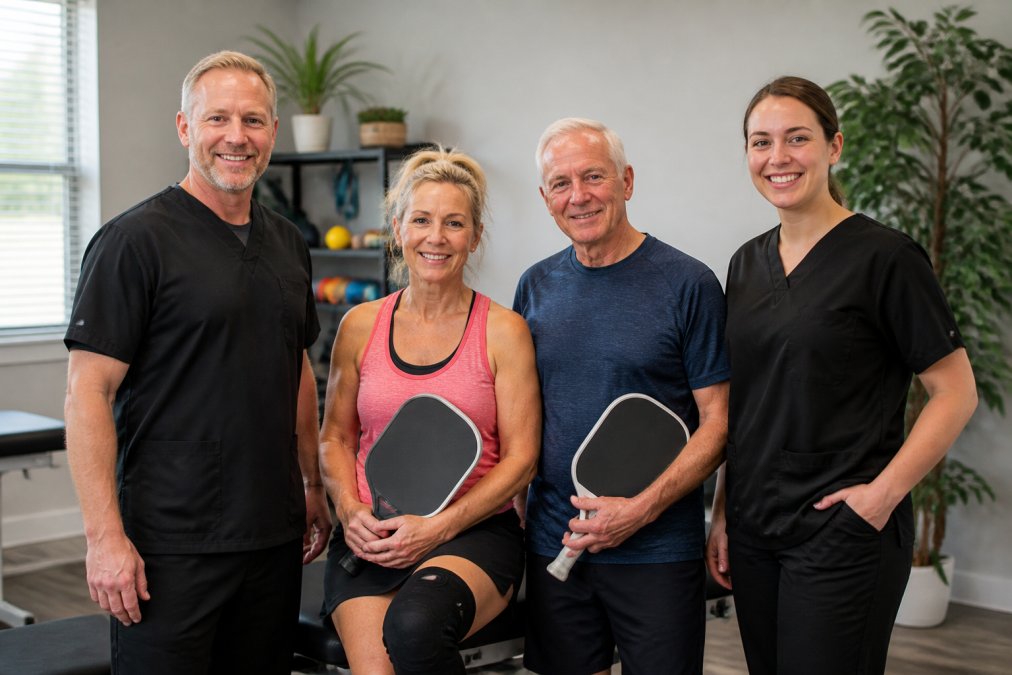
At Alpha Total Health, we've helped active retirees and serious players find solutions for pickleball-related injuries using advanced regenerative approaches. Our founder-led practice brings over 29 years of clinical experience to these treatments, combining chiropractic expertise with modern regenerative therapies designed specifically for your needs.
The key advantage of regenerative therapy is that it addresses the root cause of pain, not just the symptoms. Rather than masking discomfort with medication or resorting to invasive surgery, these treatments encourage your body to heal itself.
Types of Regenerative Therapies for Common Pickleball Injuries
Regenerative therapy for pickleball injuries comes in several forms, each suited to different types of damage and injury patterns. Understanding your options helps you make an informed decision about which approach fits your situation best.
Platelet-Rich Plasma (PRP) Injections
PRP injections use concentrated platelets from your own blood to promote healing in damaged tissues. The process is straightforward: a small blood sample is drawn, spun in a centrifuge to concentrate the healing platelets, and then injected directly into the injured area.
For pickleball players, PRP works well for:
- Rotator cuff injuries from overhead serves
- Tennis elbow and golfer's elbow (common in pickleball)
- Knee cartilage damage from quick pivoting movements
- Shoulder labrum tears
PRP injections typically require minimal downtime. Many players resume light activity within days and return to full play within weeks. The treatment stimulates your body's natural repair mechanisms, rebuilding tissue rather than just reducing inflammation temporarily.
A common mistake is expecting instant results. PRP works gradually as your body heals the targeted tissue. Most people notice improvement over 4-6 weeks as the healing process unfolds.
Stem Cell Therapy
Stem cell therapy uses cells with the potential to develop into specialized tissue types. These cells can differentiate into cartilage, bone, muscle, or connective tissue, making them powerful tools for regenerating damaged structures in your joints and soft tissues.
This approach works particularly well for:
- Osteoarthritis in knees, hips, and shoulders
- Degenerative disc disease affecting your back
- Chronic tendon injuries resistant to other treatments
- Cartilage damage that traditional therapy hasn't resolved
Stem cell therapy offers the advantage of potentially rebuilding tissue that has already been lost to degeneration. For pickleball players dealing with long-term joint wear, this can be transformative.
The thing nobody tells you about stem cell therapy is that results depend heavily on the quality of the cells used and the skill of the practitioner performing the injection. Not all stem cell treatments are equal, which is why working with an experienced provider matters significantly.
Prolotherapy and Other Options
Prolotherapy, also called proliferation therapy, involves injecting a mild irritant solution into damaged ligaments and tendons. This controlled irritation triggers your body's healing response, strengthening weakened connective tissue over time.
Prolotherapy is particularly effective for:
- Chronic ligament laxity (loose ligaments)
- Tendon injuries that haven't responded to rest
- Chronic joint pain from instability
- Supporting recovery after other regenerative treatments
Other regenerative options include platelet lysate therapy and autologous conditioned serum, which work through similar mechanisms of stimulating your body's repair systems.
Each therapy has distinct advantages depending on your specific injury and tissue damage. A consultation with a qualified provider helps determine which approach, or combination of approaches, fits your particular situation.
How to Reduce Inflammation in the Body During Recovery
Inflammation is your body's natural response to injury, but chronic inflammation slows healing and increases pain. Managing inflammation effectively during recovery accelerates your return to pickleball.
Start with the basics that make the biggest difference:
- Ice the injured area for 15 minutes, several times daily during the first week
- Elevate the injured joint above heart level to reduce swelling
- Wear a compression sleeve or wrap to control inflammation
- Rest the injured area while allowing gentle movement to maintain mobility
Beyond these immediate steps, several lifestyle factors significantly impact inflammation:
- Movement matters. Gentle stretching and low-impact activity reduce stiffness and promote blood flow. Complete rest actually slows healing. Work with your provider on a guided movement plan.
- Sleep heals. Aim for 7-9 hours nightly (the CDC). Your body does most repair work during sleep, so prioritize rest during recovery.
- Nutrition supports healing. Foods rich in omega-3 fatty acids (fish, flaxseed), berries, and leafy greens provide anti-inflammatory compounds your body needs.
- Hydration matters more than people realize. Proper hydration helps flush inflammatory markers and delivers nutrients to healing tissue.
- Stress management reduces inflammation. Chronic stress elevates cortisol, which increases inflammation. Activities like walking, meditation, or time outdoors help lower stress and inflammation simultaneously.
What most guides miss is that inflammation management isn't a one-time fix. It's an ongoing process during recovery that directly impacts how quickly you heal and return to full activity.
Recovery Time for Pickleball Injuries After Regenerative Treatment
Recovery timelines vary based on the type of injury, the regenerative therapy used, and how well you follow post-treatment guidelines. Understanding realistic expectations helps you plan your return to the court.
| Therapy Type | Typical Recovery Timeline | Return to Light Activity | Full Return to Play |
|---|---|---|---|
| PRP Injections | 4-8 weeks | 2-3 weeks | 6-8 weeks |
| Stem Cell Therapy | 8-12 weeks | 4-6 weeks | 10-12 weeks |
| Prolotherapy | 6-10 weeks | 3-4 weeks | 8-10 weeks |
These timelines are typical ranges, not guarantees. Your specific recovery depends on factors like age, overall health, severity of injury, and how closely you follow post-treatment recommendations.
A common question from pickleball players in Lady Lake is whether they can return to play sooner. The honest answer: returning too quickly risks re-injuring the tissue before it's fully healed. Patience during recovery prevents setbacks that could extend your time away from the court by months.
Most people begin noticing improvement within 2-3 weeks as inflammation decreases and healing begins. Significant functional improvement typically appears by week 6-8 as tissue rebuilds and strengthens.
Non-Surgical Joint Pain Treatment in Lady Lake
If you're dealing with chronic joint pain from pickleball or other activities, non-surgical options deserve serious consideration before pursuing surgery. Regenerative therapy for pickleball injuries represents a middle ground between conservative treatment and invasive procedures.
Non-surgical approaches offer several advantages:
- No surgical risks or extended recovery periods
- Your own tissues do the healing, not implants or grafts
- Ability to pursue additional treatments if needed
Many people assume surgery is inevitable once pain becomes chronic. That assumption often leads them to accept permanent limitations or long recovery periods unnecessarily. In reality, regenerative therapies have helped countless players return to full activity without surgery.
The decision to pursue non-surgical treatment should be informed by imaging and professional evaluation. That's why Alpha Total Health offers a thorough consultation process to assess your specific situation and recommend the most appropriate treatment path.
For residents of Lady Lake and the surrounding area, having access to advanced regenerative therapies locally means you don't need to travel for treatment or recovery. Your provider understands the local community's lifestyle and can tailor recommendations to help you maintain the active life you enjoy.
What to Expect During Your Regenerative Therapy Process
Understanding what happens during your regenerative therapy appointment removes anxiety and helps you prepare mentally and physically for treatment.
Before your appointment:
- Schedule your treatment on a day when you can rest afterward
- Avoid anti-inflammatory medications for 48 hours before injection (unless your provider advises otherwise)
- Stay hydrated and eat a light meal beforehand
- Wear comfortable, loose-fitting clothing that allows easy access to the treatment area
During the procedure:
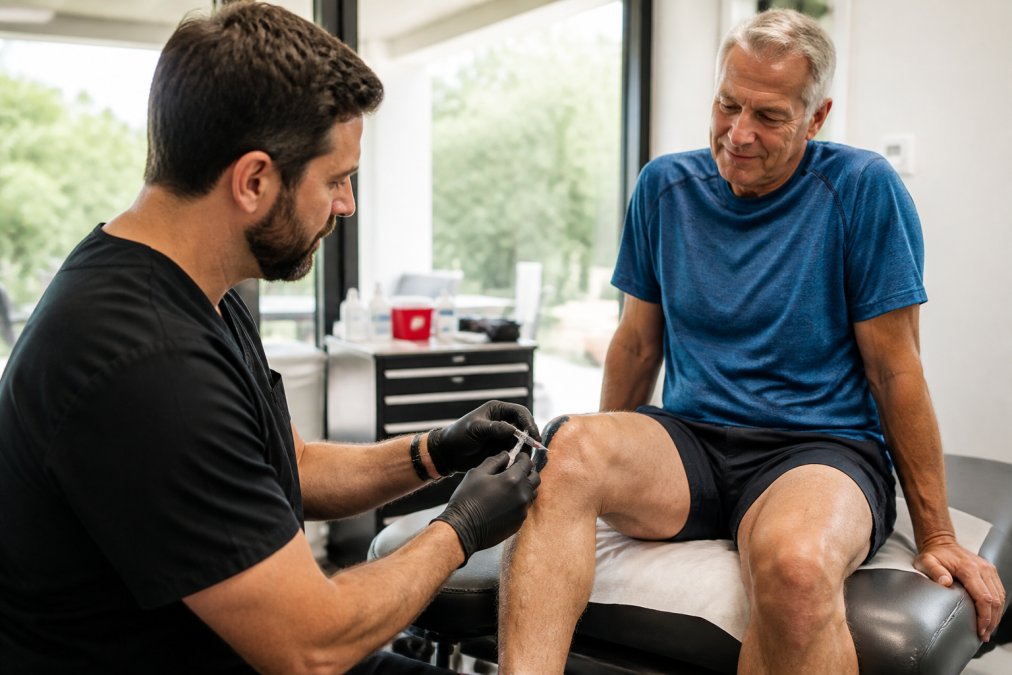
Your provider will first locate the exact injury site using palpation or ultrasound guidance.
Immediately after treatment:
- Rest the treated area for the first 24 hours
- Ice the injection site for 15 minutes, several times daily for the first 2-3 days
- Avoid strenuous activity and heavy lifting for 1-2 weeks
- Return to light activity as tolerated
What happens next:
Frequently Asked Questions
What are the most common pickleball injuries that regenerative therapy can treat?
Pickleball players frequently experience rotator cuff tears, tennis elbow, knee meniscus injuries, and ankle sprains. Regenerative therapy for pickleball injuries addresses these by stimulating the body's natural healing response in damaged joints and soft tissues. Shoulder impingement and hip flexor strains are also common in the sport and respond well to regenerative treatments. A consultation can determine if your specific injury is a good candidate.
How long does recovery take after regenerative therapy for joint pain?
Recovery time for pickleball injuries varies based on injury severity and the type of regenerative treatment used. Most patients begin experiencing improvement within 2-4 weeks, with continued progress over 3-6 months as the body rebuilds tissue. Some individuals return to light activity within weeks, while others require several months before resuming full sports participation. Your provider will outline a personalized timeline during your initial consultation based on your specific condition.
Is regenerative medicine covered by insurance in Florida?
Insurance coverage for regenerative therapies varies significantly by plan and provider. Many insurance companies consider these treatments experimental or elective, meaning coverage may be limited or unavailable. Some plans cover specific regenerative procedures when deemed medically necessary. Contact your insurance provider directly to understand your coverage options, and discuss financing or payment plans during your consultation to address cost concerns upfront.
Can regenerative therapy work for older adults with chronic joint problems?
Age alone does not prevent successful regenerative therapy outcomes. Older adults with chronic conditions often benefit from regenerative therapy for pickleball injuries and degenerative joint issues, as the treatment stimulates the body's repair mechanisms regardless of age. Success depends more on overall health status and injury severity than on age. A thorough evaluation during your consultation will determine whether regenerative therapy is appropriate for your specific situation and health history.