
 blog
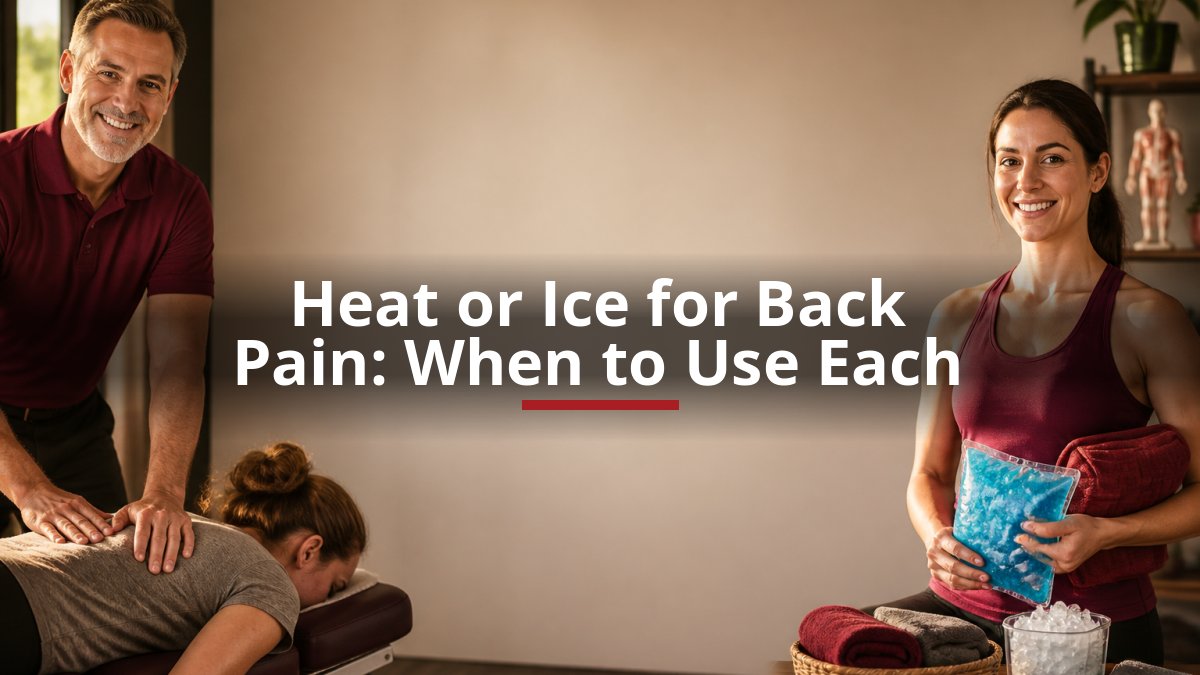
Heat or Ice for Back Pain: When to Use Each
Last Updated: October 23, 2026
Quick Summary
Heat or ice for back pain depends on your injury type and timeline. Use ice for acute pain in the first 48 hours to reduce swelling, and heat for chronic pain lasting more than six weeks to relax muscles and improve blood flow. Both reduce discomfort but work differently, so matching the treatment to your condition speeds recovery.
- Ice works best for acute injuries, sharp pain, and swelling within the first 48 hours
- Heat is most effective for chronic pain, muscle tightness, and stiffness lasting more than six weeks
- Apply ice or heat for 15-20 minutes at a time, never directly to bare skin
- Alternating heat and ice in 15-minute cycles works well for subacute injuries 3-7 days old
- Seek professional care if pain persists beyond two weeks or is accompanied by numbness, weakness, or tingling
Table of Contents
- Heat or Ice for Back Pain: Which Works Better
- How Heat Helps Back Pain
- How Ice Helps Back Pain
- Heat or Ice for Lower Back Pain: Timing and Technique
- How Long to Use a Heating Pad for Back Pain
- Alternating Heat and Ice for Back Pain
- Heat or Ice for Sciatica: Special Considerations
- When to Seek Professional Care for Back Pain
- What to Expect at Your First Visit for Back Pain
- Frequently Asked Questions
Heat or Ice for Back Pain: Which Works Better
When deciding between heat or ice for back pain, the answer depends on what's causing your pain and how long you've had it. The answer depends on what's causing your pain and how long you've had it. Both heat and ice can reduce discomfort, but they work in different ways. At Alpha Total Health in Lady Lake, we help patients understand when to use each one for the best results.
Heat relaxes tight muscles and improves blood flow. Ice numbs pain and reduces swelling. Most people find that one works better than the other for their specific situation. The key is knowing which to choose and when to switch between them.
Understanding the difference between heat and ice can speed up your recovery. Many patients waste time using the wrong approach, which delays healing. This guide will show you exactly when to reach for heat, when to use ice, and when alternating between them makes sense.
How Heat Helps Back Pain
Heat therapy reduces muscle tension and stiffness. When you apply warmth to your back, blood vessels expand. This increases blood flow to the area, bringing oxygen and nutrients that help muscles relax.
Heat works best for:
- Muscle tightness and spasms
- Chronic pain lasting more than six weeks
- Stiffness from inactivity or poor posture
- Pain from arthritis or degenerative disc disease
Applying heat feels soothing. Many people find it eases discomfort almost immediately. The relaxation response can last for hours after treatment ends.
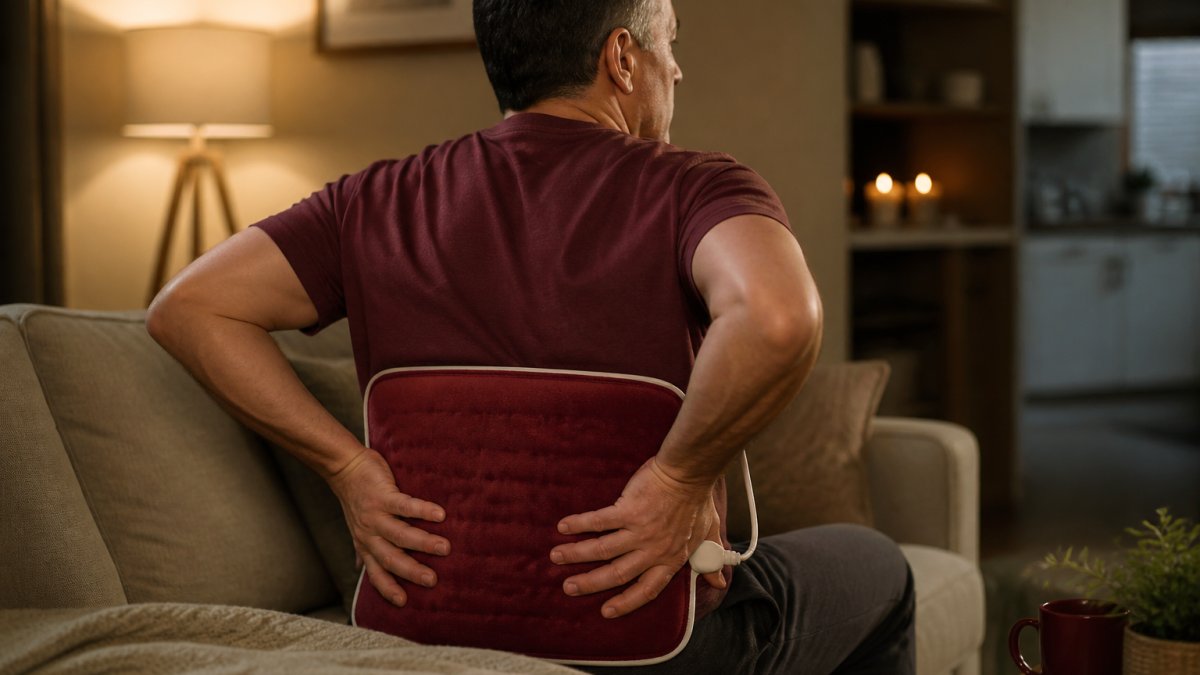
Heat is especially helpful for older adults in Lady Lake who experience morning stiffness. As we age, muscles become tighter and less flexible. Warmth helps restore that flexibility and makes movement easier.
One important note: heat can make acute injuries worse. If you just injured your back hours ago, ice is the better choice initially. Wait at least 48 hours before switching to heat for fresh injuries.
How Ice Helps Back Pain
Ice numbs pain and reduces inflammation. When swelling decreases, pressure on nerves eases. This makes ice ideal for acute injuries and recent flare-ups.
Ice works best for:
- Sharp, sudden pain
- Swelling and inflammation
- Recent injuries (first 48 hours)
- Pain from muscle strains or sprains
Applying ice creates a numbing sensation that can last 15-20 minutes after removal. This temporary relief often gives people enough comfort to move and stretch gently.
Ice is particularly useful right after an injury. The first 48 hours are critical for controlling inflammation. Using ice during this window can prevent the injury from worsening.
However, ice can feel uncomfortable. Many people don't tolerate cold as well as heat. If ice causes pain or numbness that doesn't fade quickly, switch to a different approach.
Heat or Ice for Lower Back Pain: Timing and Technique
Lower back pain responds well to both heat and ice, but timing matters. Long-Term Relief for Spinal Stenosis: A Complete Guide offers specialized treatment strategies for this common lower back condition. The first step is identifying whether your pain is acute or chronic.
For acute lower back pain (sudden onset, less than 48 hours old):
- Use ice first to control swelling
- Apply ice for 15 minutes at a time
- Repeat every 2-3 hours for the first 48 hours
- Wrap ice in a thin cloth to protect skin
For chronic lower back pain (ongoing for weeks or months):
- Heat is usually more effective
- Apply heat for 15-20 minutes
- Use it 2-3 times daily as needed
- A heating pad or warm bath both work well
Many people in Lady Lake find that their lower back pain improves faster when they match the treatment to their condition. Acute injuries need ice first. Chronic stiffness needs heat.
The technique matters too. Never apply heat or ice directly to bare skin. Always use a barrier like a towel or cloth. This prevents burns from heat and frostbite from ice.
Chronic Back Pain Treatment for Women: A 2026 Guide(page:4) offers additional strategies for long-term lower back relief.
Choose your treatment based on whether your pain is acute or chronic, and follow these timing guidelines for best results.
| Condition | Best Treatment | Duration | Frequency |
|---|---|---|---|
| Acute pain (under 48 hours) | Ice | 15 minutes | Every 2-3 hours |
| Chronic pain (weeks or months) | Heat | 15-20 minutes | 2-3 times daily |
| Subacute pain (3-7 days old) | Alternating heat and ice | 60-90 minutes per cycle | Once or twice daily |
How Long to Use a Heating Pad for Back Pain
A heating pad should never stay on longer than 20 minutes at a time. Most people get the best results with 15-20 minutes of heat per session.
Longer sessions don't provide extra benefit. In fact, extended heat can damage skin or cause burns. Your body also adapts to constant warmth, so the pain-relieving effect plateaus.
Recommended heating pad schedule:
- Duration: 15-20 minutes per session
- Frequency: 2-3 times daily
- Rest period: At least 1-2 hours between sessions
- Best timing: Morning (for stiffness) and evening (before bed)
Many people find that morning heat helps them start the day more comfortably. Evening heat can improve sleep quality by relaxing muscles before bed.
If pain returns between sessions, it's safe to reapply heat after resting. However, if you need heat more than four times daily, that's a sign you should see a professional. Persistent pain requires evaluation.
Moist heat (like a warm towel or heating pad with moisture) works better than dry heat for many conditions. The moisture penetrates deeper into muscle tissue.
Alternating Heat and Ice for Back Pain
Alternating heat and ice is a powerful strategy for certain types of pain. This approach combines the benefits of both treatments.
Alternating works best for:
- Subacute injuries (3-7 days old)
- Chronic pain with recent flare-ups
- Muscle soreness after activity
- Conditions with both stiffness and swelling
Here's the best approach for alternating:
- Start with ice for 15 minutes to reduce inflammation
- Rest for 15 minutes
- Apply heat for 15 minutes to relax muscles
- Rest for 15 minutes
- Repeat the cycle 1-2 more times
This 60-90 minute cycle can be done once or twice daily. Many patients report that alternating provides better relief than either treatment alone.
The key is maintaining proper rest periods between applications. Your body needs time to adjust between temperature changes. Rushing through the cycle reduces effectiveness.
Heat or Ice for Sciatica: Special Considerations
Sciatica pain travels down the leg from the lower back. This condition responds differently to heat and ice than general back pain.
Most people with sciatica find heat more helpful. The pain usually comes from muscle tension pressing on the sciatic nerve. Heat relaxes those muscles and takes pressure off the nerve.
However, if sciatica started suddenly with swelling, ice helps first. Use ice for the first 48 hours, then switch to heat.
Heat for sciatica:
- Apply to the lower back where the nerve originates
- Use 20 minutes per session
- Repeat 2-3 times daily
- Continue for 1-2 weeks or until pain improves
Ice for sciatica (acute phase only):
- Apply to the lower back
- Use 15 minutes per session
- Repeat every 2-3 hours for 48 hours
- Then switch to heat
Sciatica often requires professional care to fully resolve. If heat and ice don't improve symptoms within two weeks, that's a signal to seek help.
When to Seek Professional Care for Back Pain
Heat and ice provide temporary relief, but they don't fix underlying problems. If your pain persists, professional evaluation is essential.
See a healthcare provider if you experience:
- Pain lasting more than two weeks despite home treatment
- Pain that worsens despite using heat or ice correctly
- Numbness, tingling, or weakness in legs or feet
- Pain after a fall or accident
- Pain accompanied by fever or unexplained weight loss
- Difficulty controlling bowel or bladder function
These symptoms suggest something more serious than muscle tightness. Professional diagnosis identifies the root cause and leads to effective treatment.
Back Pain Support in Lady Lake, FL provides comprehensive evaluation and treatment options. At Alpha Total Health, we combine chiropractic care with advanced regenerative therapies to address the underlying cause of your pain.
Many people wait too long before seeking help. Early intervention often prevents pain from becoming chronic. What starts as acute back pain can develop into long-term problems if left untreated.
What to Expect at Your First Visit for Back Pain
Your first appointment involves thorough evaluation. Understanding what happens helps you prepare mentally and physically.
What Happens at a Chiropractic Consultation walks through the complete process step by step.
Here's what a typical first visit includes:
Medical history (10-15 minutes)
- Questions about your pain: when it started, what makes it worse or better
- Your medical history and past injuries
- Current medications and treatments you've tried
- Your lifestyle, work, and activity level
Physical examination (15-20 minutes)
- Range of motion tests to identify movement restrictions
- Orthopedic tests to assess nerve function
- Posture evaluation and muscle strength testing
- Palpation (feeling) of your spine and surrounding muscles
Diagnostic imaging (if needed)
- X-rays to visualize bone structure
- MRI or ultrasound for soft tissue evaluation
- Assessment of imaging results with you
Treatment discussion (10 minutes)
- Explanation of your condition in plain language
- Recommended treatment options
- Expected timeline for improvement
- Cost and scheduling information
Initial treatment (if appropriate)
- Many patients receive their first treatment during this visit
- This might include spinal adjustment, soft tissue therapy, or other techniques
- You'll learn home care instructions for between visits
Do we accept walk-ins? Call ahead to schedule. Walk-in availability depends on provider schedules. Scheduling an appointment ensures you receive prompt attention.
Do we treat sciatica? Yes. Sciatica responds well to chiropractic care combined with targeted therapies to relieve nerve pressure.
Do we treat neuropathy? Yes. We offer specialized neuropathy consultations and treatment options including regenerative therapies.
What should I expect at my first visit? You'll receive a thorough evaluation including medical history, physical examination, and discussion of your condition. Most patients receive initial treatment during the first appointment and leave with a clear treatment plan.
Back pain doesn't have to control your life. Heat and ice provide immediate relief, but lasting results require addressing the root cause. At Alpha Total Health in Lady Lake, we combine proven chiropractic techniques with advanced regenerative therapies to help you recover fully. Our founder-led approach draws on over 29 years of clinical experience to create personalized treatment plans that work. Schedule your New Patient Consultation today and discover how we can help you return to the activities you love.
Frequently Asked Questions
Is heat or ice better for lower back pain?
The choice depends on your injury type and timeline. Ice works best for acute injuries (first 24-48 hours) to reduce swelling and numb sharp pain. Heat is better for chronic back pain, muscle stiffness, and tension after the acute phase passes. If you're unsure which applies to your situation, a professional evaluation can clarify the best approach for your specific condition.
How long should I apply heat or ice to my back?
Apply ice for 15-20 minutes at a time, with at least 2 hours between applications to avoid skin damage. For heat, use a heating pad for 15-30 minutes, and avoid falling asleep on it to prevent burns. Never apply either treatment directly to bare skin; use a towel barrier. If pain persists beyond a few days of self-care, professional assessment is recommended.
Can I alternate heat and ice for back pain?
Yes, contrast therapy (alternating heat and ice) can be effective for certain conditions, particularly muscle strains and chronic pain. Start with ice for 15 minutes, rest for 5 minutes, then apply heat for 15 minutes. Repeat this cycle 2-3 times. This approach may increase circulation and reduce inflammation, but it works best when guided by a healthcare provider familiar with your specific condition.
Do you accept walk-ins, treat sciatica and neuropathy, and what should I expect at my first visit?
Alpha Total Health welcomes new patients and offers a New Patient Consultation Package to introduce you to our approach. We treat sciatica, neuropathy, and other musculoskeletal conditions using chiropractic care and regenerative therapies. At your first visit, expect a thorough evaluation of your condition, discussion of your health goals, and a personalized treatment plan. Our founder-led team, with 29+ years of clinical experience, will address your specific concerns and outline the next steps in your care.